Bankruptcy Attorneys in Springfield, IL
Find qualified bankruptcy attorneys in Springfield. Compare Chapter 7 and Chapter 13 lawyers. Free consultations available.
69 Bankruptcy Attorneys in Springfield, IL— Showing 24 of 69

A Bankruptcy Law Firm, LLC | Marion Bankruptcy Lawyers
A Bankruptcy Law Firm, LLC | Marion Bankruptcy Lawyers
A Bankruptcy Law Firm, LLC | Marion Bankruptcy Lawyers focuses its practice on bankruptcy law, assisting individuals and businesses in Springfield, Illinois, and the surrounding areas. The firm provides comprehensive legal guidance through Chapter 7, Chapter 11, and Chapter 13 bankruptcy proceedings. A Bankruptcy Law Firm, LLC | Marion Bankruptcy Lawyers is dedicated to helping clients navigate complex financial challenges and achieve a fresh start.
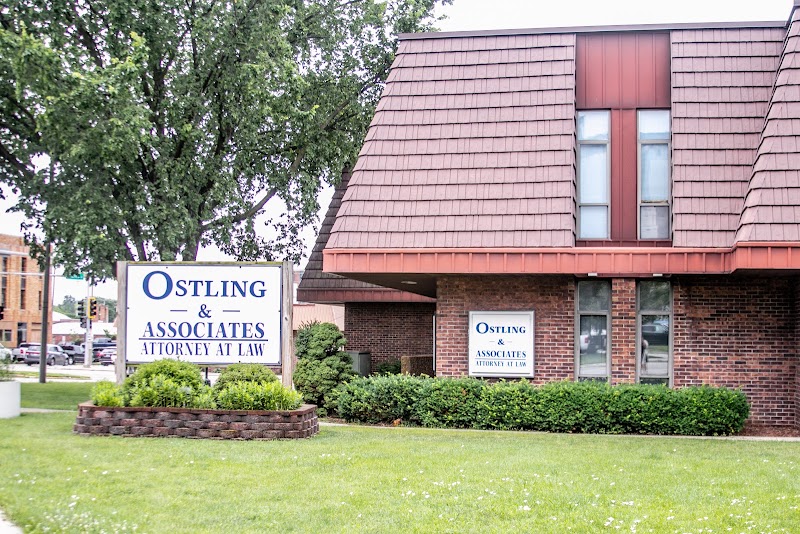
Amanda Mae Lundeen
Amanda Mae Lundeen
Amanda Mae Lundeen is a dedicated bankruptcy attorney based in Springfield, Illinois. She focuses her practice on bankruptcy and debt matters, assisting individuals and businesses navigate complex financial challenges. Lundeen is committed to helping her clients achieve financial relief and a fresh start.
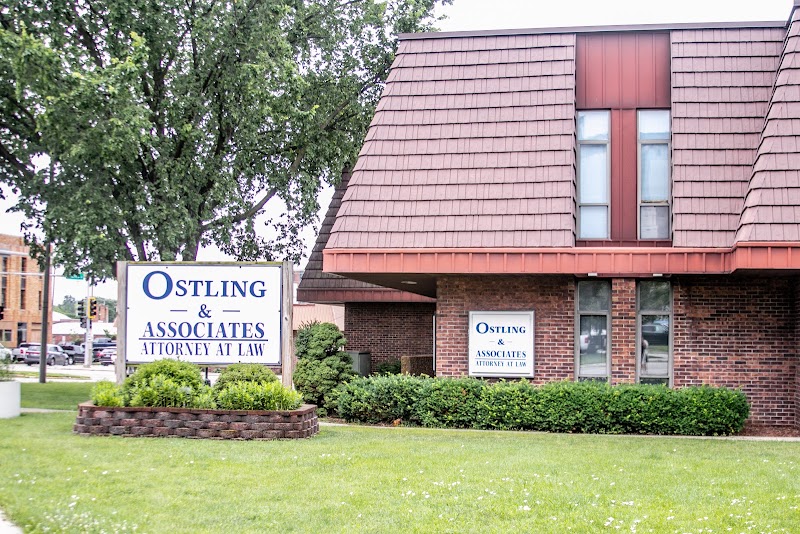
Amy Dorothy Gerloff
Amy Dorothy Gerloff
Amy Dorothy Gerloff, based in Springfield, Illinois, focuses her practice on bankruptcy and debt relief. She represents individuals and businesses facing financial challenges, guiding them through the complexities of bankruptcy law. Amy is dedicated to helping her clients achieve a fresh financial start and secure lasting relief from debt.

Attorney Greg W. Sronce
Attorney Greg W. Sronce
Attorney Greg W. Sronce is a dedicated bankruptcy lawyer based in Springfield, Illinois. He focuses his practice on guiding individuals and businesses through the complexities of bankruptcy law. Attorney Sronce is committed to helping his clients navigate their financial challenges and achieve a fresh start.

Attorney Greg W. Sronce
Attorney Greg W. Sronce provides dedicated legal representation to individuals and businesses in Springfield, Illinois, and the surrounding areas. The firm focuses exclusively on bankruptcy law, assisting clients through complex financial challenges. Attorney Sronce helps clients navigate the bankruptcy process to achieve a fresh financial start.
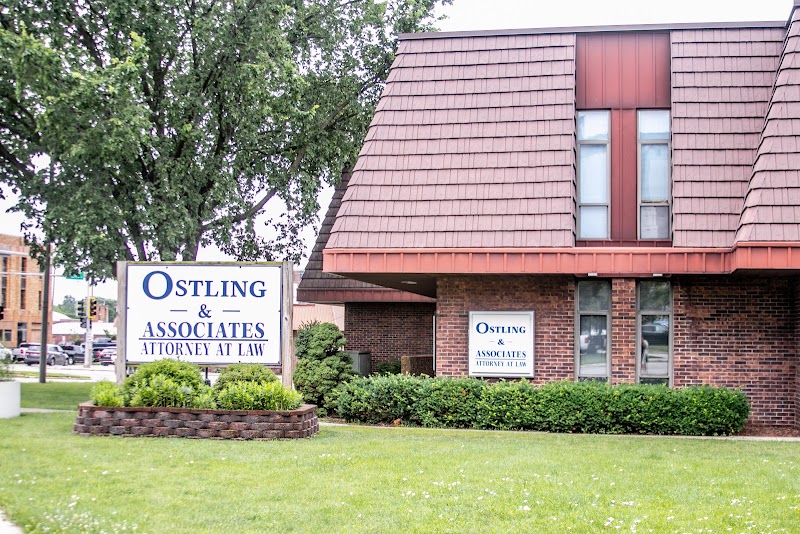
Bankruptcy Advocates
Bankruptcy Advocates
Bankruptcy Advocates is a dedicated legal firm serving clients in Springfield, Illinois, specializing exclusively in bankruptcy law. The firm provides comprehensive guidance and representation for individuals and businesses facing financial distress. Bankruptcy Advocates is committed to helping clients navigate the complexities of bankruptcy proceedings to achieve a fresh financial start.
Bellatti, Fay, Bellatti & Beard, LLP
Bellatti, Fay, Bellatti & Beard, LLP
Bellatti, Fay, Bellatti & Beard, LLP is a respected law firm based in Springfield, Illinois, specializing in bankruptcy law. The firm provides comprehensive legal services to individuals and businesses facing financial challenges. Bellatti, Fay, Bellatti & Beard, LLP is dedicated to guiding clients through the complexities of bankruptcy proceedings to achieve financial relief and a fresh start.

Benjamin Tevel Brown
Benjamin Tevel Brown
Benjamin Tevel Brown, based in Springfield, Illinois, focuses his practice on bankruptcy and debt relief. He assists individuals and businesses facing financial challenges, guiding them through the complexities of bankruptcy law. Benjamin is dedicated to helping his clients achieve a fresh financial start and navigate their path to economic stability.
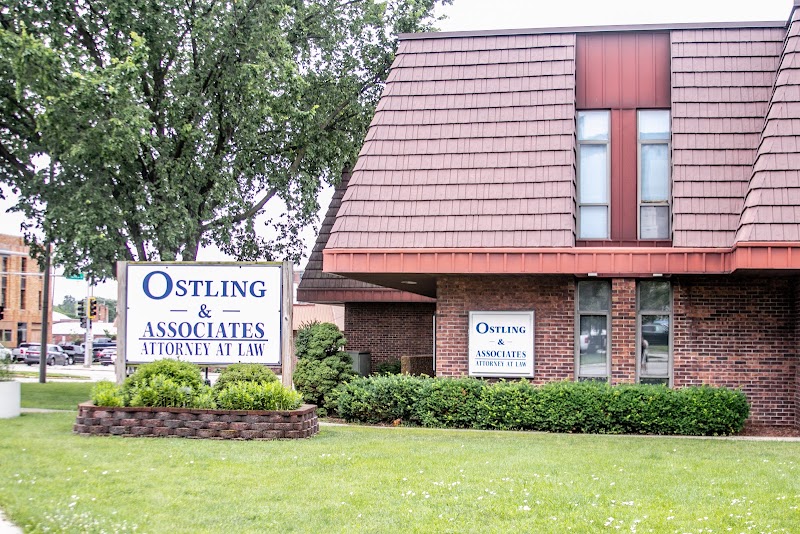
Bernard Gordon Segatto
Bernard Gordon Segatto
Bernard Gordon Segatto is the founder of Bernard Gordon Segatto, a law firm based in Springfield, Illinois. He focuses his practice on bankruptcy and debt relief, assisting individuals and businesses facing financial challenges. Segatto helps clients navigate complex legal processes to achieve a fresh financial start.

Boshardy Law Office, P.C.
Boshardy Law Office, P.C. is a dedicated bankruptcy law firm located in Springfield, Illinois. The firm provides comprehensive legal services to individuals and businesses seeking to navigate complex financial challenges. Boshardy Law Office, P.C. assists clients in achieving financial relief and a fresh start through effective bankruptcy solutions.
Brittany Kink Toigo
Brittany Kink Toigo
Brittany Kink Toigo, based in Springfield, Illinois, focuses her practice on bankruptcy and debt matters. She guides individuals and businesses through the complexities of bankruptcy law, offering clear and practical advice. Toigo is dedicated to helping her clients achieve financial relief and a fresh start.

Bruce Alan Kugler
Bruce Alan Kugler
Bruce Alan Kugler, located in Springfield, Illinois, provides dedicated legal services in bankruptcy and debt relief. He assists individuals and businesses navigating complex financial challenges. Kugler focuses on helping clients achieve a fresh financial start through strategic and effective legal solutions.
Cate Matthew J
Cate Matthew J is a bankruptcy law firm located in Springfield, Illinois. The firm focuses on providing legal guidance and representation to individuals and businesses facing financial challenges. Cate Matthew J assists clients in navigating the complexities of bankruptcy law to achieve financial relief and a fresh start.
Costello Law Office
Costello Law Office is a bankruptcy law firm located in Springfield, Illinois. The firm is dedicated to assisting individuals and businesses facing financial hardship. Costello Law Office provides comprehensive legal services focused on helping clients achieve lasting financial relief through bankruptcy proceedings.

Daniel J. Schumacher
Daniel J. Schumacher
Daniel J. Schumacher is a dedicated bankruptcy attorney practicing in Springfield, Illinois, where he focuses on helping individuals and businesses navigate complex financial challenges. He provides comprehensive legal services in bankruptcy and debt matters, guiding clients through the process of obtaining a fresh financial start. Mr. Schumacher is committed to assisting his clients in achieving effective and lasting financial relief.
Debt & Injury Law Center
Debt & Injury Law Center
Debt & Injury Law Center is a Springfield, Illinois-based firm dedicated to assisting individuals and businesses facing financial challenges. The Center focuses its practice on bankruptcy law, providing comprehensive legal guidance through Chapter 7 and Chapter 13 proceedings. They are committed to helping clients navigate complex financial situations and achieve meaningful debt relief.
Delano Law Offices
Delano Law Offices
Delano Law Offices is a dedicated bankruptcy law firm serving clients throughout Springfield, Illinois, and the surrounding areas. The firm focuses on helping individuals and businesses navigate complex financial challenges and achieve a fresh start. Delano Law Offices is committed to providing compassionate and effective legal guidance to help clients secure lasting financial relief.
Emmet Anthony Fairfield
Emmet Anthony Fairfield
Emmet Anthony Fairfield is a dedicated bankruptcy attorney based in Springfield, Illinois. He focuses his practice exclusively on bankruptcy and debt relief matters, guiding individuals and businesses through complex financial challenges. Fairfield is committed to helping clients achieve a fresh financial start and secure a more stable future.

Eric James Homa Law Office PC
Eric James Homa Law Office PC is a Springfield, Illinois-based law firm dedicated to assisting individuals and businesses with their financial challenges. The firm focuses exclusively on bankruptcy law, providing comprehensive legal services to clients seeking to navigate complex debt issues. Eric James Homa Law Office PC helps clients achieve financial relief and a fresh start through effective legal strategies.
Fiscus Law
Fiscus Law
Fiscus Law, located in Springfield, Illinois, provides dedicated legal services in bankruptcy law. The firm assists individuals and businesses navigating financial challenges, offering strategic guidance through complex bankruptcy proceedings. Fiscus Law helps clients achieve financial relief and a fresh start.
Fiscus Law
Fiscus Law is a Springfield, Illinois-based firm dedicated to providing legal guidance in bankruptcy matters. The firm assists individuals and businesses navigating financial challenges, offering representation in Chapter 7, Chapter 11, and Chapter 13 bankruptcy proceedings. Fiscus Law works to help clients achieve financial relief and a fresh start.
Gates, Wise, Schlosser & Goebel
Gates, Wise, Schlosser & Goebel is a Springfield, Illinois-based law firm dedicated to bankruptcy law. The firm assists individuals and businesses in navigating complex financial challenges. Gates, Wise, Schlosser & Goebel provides comprehensive legal guidance to help clients achieve financial relief and a fresh start.
Gates, Wise, Schlosser & Goebel
Gates, Wise, Schlosser & Goebel
The attorneys at Gates, Wise, Schlosser & Goebel in Springfield, Illinois, provide comprehensive legal services in bankruptcy law. They assist individuals and businesses facing financial challenges, guiding them through the complexities of bankruptcy proceedings. Gates, Wise, Schlosser & Goebel is dedicated to helping clients achieve financial relief and a fresh start.
Giffin, Winning, Cohen & Bodewes, P.C.
Giffin, Winning, Cohen & Bodewes, P.C.
Giffin, Winning, Cohen & Bodewes, P.C. is a respected law firm based in Springfield, Illinois, specializing in bankruptcy law. The firm provides comprehensive legal services to individuals and businesses facing financial challenges. Giffin, Winning, Cohen & Bodewes, P.C. is dedicated to guiding clients through the complexities of bankruptcy proceedings to achieve financial relief and a fresh start.
Showing 24 of 69 attorneys in Springfield
Need Help in Springfield?
Connect with a qualified bankruptcy attorney in Springfield today. Free consultations available.
Bankruptcy Resources for Illinois
Illinois Resources
Economic Context
Above AvgSpringfield, Illinois has an above-average unemployment rate. Financial hardship indicators suggest elevated demand for bankruptcy counsel.
Household Financial Profile · ACS 2023
$66k
Median household income
$41k
Per capita income
$155k
Median home value
63.4%
Homeownership rate
16.0%
Poverty rate
Means test note: The Chapter 7 means test compares your income to Illinois's median household income of $66k. If your household income is below this threshold, you likely qualify for Chapter 7 without further calculation.
About Bankruptcy in Springfield
Understanding Bankruptcy Options in Springfield, IL
Residents of Springfield, IL, often face financial challenges influenced by local economic factors such as a median household income of $65,537 and a poverty rate of 16.0%. For individuals and families struggling with debt, bankruptcy can provide a fresh start and protect assets from creditors. Understanding the bankruptcy options available is essential to making informed decisions.
In Springfield, the most common types of personal bankruptcy are Chapter 7 and Chapter 13. Each offers different benefits depending on your financial situation and goals.
Chapter 7 Bankruptcy: Liquidation for a Fresh Start
Chapter 7 bankruptcy allows debtors to discharge most unsecured debts, such as credit card balances and medical bills. This option is suitable for those with limited income who cannot realistically repay their debts.
- Typically completed within 3 to 6 months
- Non-exempt assets may be sold to pay creditors
- Provides rapid debt relief
Learn more about Chapter 7 in Illinois to see if it fits your financial needs.
Chapter 13 Bankruptcy: Repayment Through a Court-Approved Plan
Chapter 13 enables individuals with regular income to reorganize debts and create a repayment plan lasting three to five years. This option is often chosen by homeowners seeking to keep their property while catching up on missed mortgage payments.
- Allows protection of assets like your home and car
- Helps manage secured and unsecured debts
- May improve credit over time through structured payments
Explore the details of Chapter 13 in Illinois to determine if this option is right for you.
Economic Factors Impacting Bankruptcy Filings in Springfield
Springfield's local economy and demographics influence bankruptcy trends. With a median home value of $155,200 and a poverty rate of 16%, many residents face financial stress that could lead to bankruptcy. Job market fluctuations and unexpected expenses can also contribute to debt accumulation.
Understanding these factors helps residents evaluate when bankruptcy might become a necessary tool for financial recovery.
How Springfield Residents Can Find Bankruptcy Assistance
If you are considering bankruptcy, it is important to seek professional advice from experienced attorneys who understand Illinois bankruptcy laws and exemptions. Qualified legal counsel can guide you through the filing process, help protect your assets, and explain your rights.
Additional resources include:
- Local legal aid organizations offering free or low-cost consultations
- Financial counseling services required before filing bankruptcy
- Educational materials on bankruptcy exemptions and filing procedures
For comprehensive guidance, visit our resource on How to File Bankruptcy in Illinois and review the Illinois Exemptions Guide to understand protections available to you.
Contact Springfield Bankruptcy Attorneys for Support
Facing debt issues can be overwhelming, but you don’t have to navigate bankruptcy alone. Skilled Illinois Bankruptcy Attorneys in Springfield can provide personalized support tailored to your unique financial situation.
Whether you qualify for Chapter 7 or Chapter 13, early consultation with a bankruptcy lawyer can help you make the best decisions to secure your financial future.
Bankruptcy FAQ for Springfield, Illinois
Common questions about filing for bankruptcy in Springfield, Illinois, including costs, attorney fees, and the filing process.
Bankruptcy Attorneys in Cities Near Springfield
Find bankruptcy lawyers in other Illinois cities near Springfield.