Find qualified bankruptcy attorneys in Pennsylvania. 18,421 bankruptcy cases filed in FY2024. Compare Chapter 7 and Chapter 13 lawyers near you.
Charles O. Zebley, Jr. at Charles O. Zebley, Jr. has handled 1 federal bankruptcy case in federal court.

JLE Logistics LLC has handled 1 federal bankruptcy case in federal court.
Daniel R. Schimizzi has handled 2 federal bankruptcy cases in federal court.

Rodney D. Shepherd has handled 2 federal bankruptcy cases in federal court.
Emily Ann Steigerwald has handled 1 federal bankruptcy case in federal court.

Robert Lloyd Makowski, Jr. has handled 1 federal bankruptcy case in federal court.
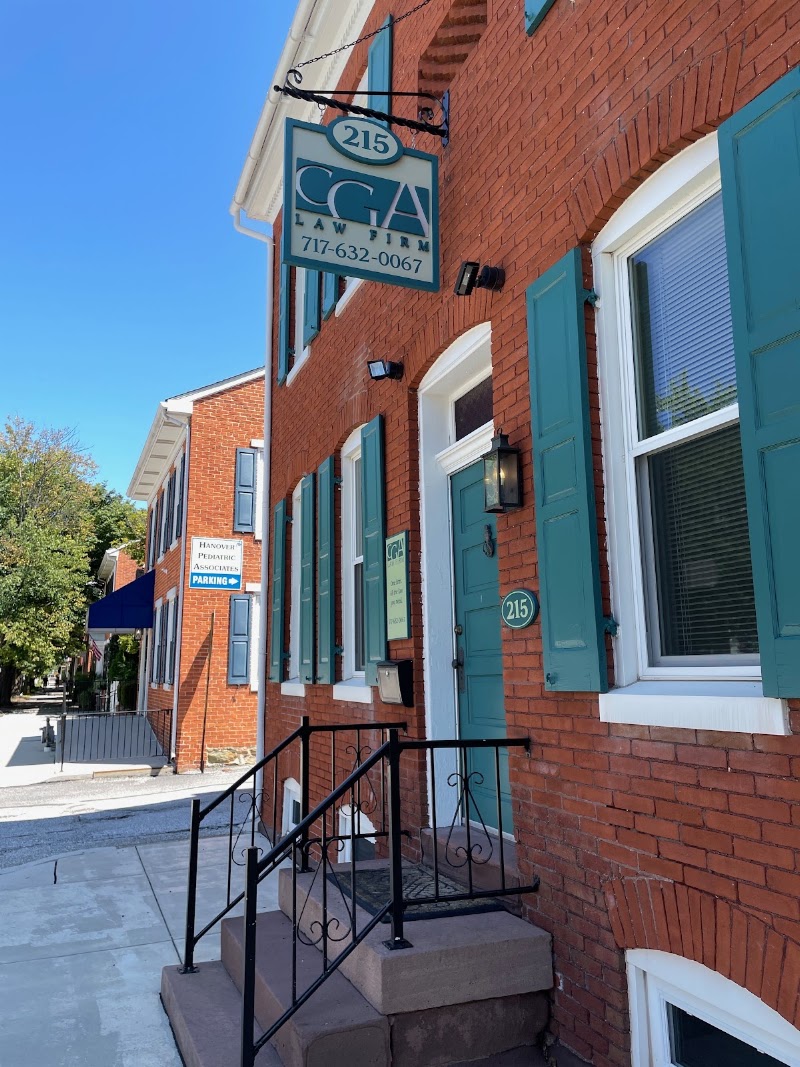
Jason J. Mazzei has handled 1 federal bankruptcy case in federal court.

Denise Carlon has handled 1 federal bankruptcy case in federal court.
Visimo, LLC has handled 1 federal bankruptcy case in federal court.
Kenneth Steidl has handled 13 federal bankruptcy cases in federal court.
Joanna Studeny has handled 2 federal bankruptcy cases in federal court.
Shane Dion Caylor has handled 1 federal bankruptcy case in federal court.

Western District of Pennsylvania
Source: U.S. Courts — uscourts.gov
Pennsylvania residents file thousands of bankruptcy cases each year. In the most recent reporting period Pennsylvania recorded a total of 19,000 bankruptcy filings, including 11,089 Chapter 7 filings, 7,003 Chapter 13 filings, and 305 Chapter 11 filings. Filings per 100,000 residents were reported at 142.1.
People file for bankruptcy for many reasons: job loss, medical bills, mortgage or consumer debt, and business distress. Pennsylvania’s economy and household finances—median household income of $73,824, median home value of $240,000, and a homeownership rate near 69.0%—shape how debt relief options are used across the state. If you are thinking about bankruptcy, this guide explains the options, requirements, and next steps specific to Pennsylvania.
Chapter 7, often called "liquidation" bankruptcy, can discharge many unsecured debts and provide a fresh start. In Pennsylvania, most consumer debtors file under Chapter 7 when they do not have sufficient disposable income to repay creditors through a Chapter 13 plan.
To be eligible for Chapter 7, debtors must pass the federal means test, which compares your household income to the median income for a household of your size in Pennsylvania. If your income is below the state median, you generally qualify for Chapter 7. If your income is above the median, you will calculate allowable expenses and disposable income to determine eligibility.
A successful Chapter 7 filing typically discharges unsecured debts such as credit card balances, certain medical bills, and most personal loans. Some debts—like most student loans, recent tax obligations, child support, and certain criminal fines—are generally not dischargeable.
For more on Chapter 7 specifics and whether it might be right for you, see our Chapter 7 practice area: /pennsylvania/chapter-7.
Chapter 13 allows individuals with regular income to propose a court-approved repayment plan to pay creditors over time. It’s commonly used to stop foreclosures, catch up on missed mortgage or car payments, and restructure tax and secured debts.
Chapter 13 plans typically last three to five years. The length depends on your income and what you can reasonably afford to pay into the plan. Plans prioritize secured creditors and certain priority debts; unsecured creditors may receive a partial payment or nothing, depending on the debtor’s disposable income and exemptions.
To file Chapter 13 you must have regular income and your secured and unsecured debts must fall below statutory debt limits that are periodically adjusted. Chapter 13 offers advantages such as:
Learn more about Chapter 13 and whether it fits your situation at /pennsylvania/chapter-13.
Pennsylvania requires debtors to use state exemptions when filing for bankruptcy. Exemptions determine which property you can keep from creditors and the bankruptcy estate. Below are the common exemption categories you should consider when planning a filing.
Exemption amounts and precise categories are set by Pennsylvania law and are different from federal exemptions; Pennsylvania has opted to use its own statutory exemptions. Because exemption law changes and can be complex when multiple assets or co-owners are involved, review the details with a Pennsylvania bankruptcy attorney or consult our exemptions guide: /blog/bankruptcy-exemptions-guide.
Filing bankruptcy involves a series of legal steps and paperwork. Follow these general steps to prepare and file a bankruptcy case in Pennsylvania.
For a step-by-step walkthrough and preparation checklist, see our practical filing resource: /blog/how-to-file-bankruptcy.
Bankruptcy cases in Pennsylvania are handled by the U.S. Bankruptcy Courts that are organized by federal districts. Pennsylvania is divided into three federal districts; your case will be filed in the district that covers your residence or principal place of business:
Each district has divisional offices and clerks who process filings, schedule hearings, and manage courtroom calendars. Common hearing locations include major cities across the state such as Philadelphia, Pittsburgh, Allentown, Harrisburg, and others. Contact the clerk’s office for the particular division that covers your county to confirm filing procedures, hearing dates, and local rules.
Filing bankruptcy involves several kinds of costs. While exact amounts vary and can change over time, it helps to understand the types of expenses you may encounter:
Because costs vary, discuss fee structures and payment options with potential attorneys before hiring one. Many bankruptcy attorneys in Pennsylvania offer initial consultations and can explain the total expected costs for your case.
Bankruptcy is a legal tool for debt relief but it brings consequences and responsibilities you’ll want to manage after a discharge or plan completion.
Rebuilding finances after bankruptcy is a process. Practical steps include budgeting, building an emergency savings cushion, reviewing your credit reports for accuracy, and using credit responsibly. Local consumer credit counseling and financial literacy programs can help you establish a recovery plan.
Bankruptcy is not the only path for dealing with debt. Consider alternatives if your situation allows:
Each alternative has advantages and tradeoffs. For a side-by-side comparison of the most common consumer bankruptcy chapters, see our guide: /blog/chapter-7-vs-chapter-13.
Choosing the right attorney is a crucial step. Pennsylvania currently lists 1,699 bankruptcy attorneys across the state. Use the following tips when evaluating counsel:
Find local counsel in major Pennsylvania cities using our city pages, for example: Philadelphia, Pittsburgh, Allentown, York, Lancaster, Erie, Scranton, Bethlehem, Harrisburg, and Reading.
Below are common questions that arise when Pennsylvania residents consider bankruptcy. These answers are general in nature; consult an attorney for guidance specific to your facts.
Filing an appropriate bankruptcy petition typically triggers an automatic stay that stops most foreclosure actions immediately. In Chapter 13 you can often cure mortgage arrears over the life of the plan. In Chapter 7, if you retain equity and can bring your mortgage current outside of bankruptcy, you may avoid foreclosure; otherwise the lender may seek relief from the stay. Discuss timing and options with counsel to protect your home.
Whether you can keep your car depends on the vehicle’s equity, your state exemptions, whether the vehicle is collateral for a loan, and if you can stay current on payments. Chapter 13 can allow you to keep and repay secured vehicle debt in the plan. Pennsylvania’s vehicle exemption may protect some equity—discuss the specifics with an attorney.
Student loans are generally not discharged in bankruptcy unless you can meet the bankruptcy code’s strict test for "undue hardship," which requires separate litigation (an adversary proceeding). Because these cases are complex and outcomes are fact-specific, talk to counsel experienced in student‑loan litigation if that is a concern.
Federal law and credit reporting practices set the length of time a bankruptcy remains on a credit report. Typically, a Chapter 7 filing may remain on your report for up to 10 years from filing, while a Chapter 13 may appear for up to 7 years; these timelines can affect your ability to obtain certain credit products immediately after discharge but do not prevent you from beginning the credit-rebuilding process.
Nonprofit legal aid organizations, law school clinics, and some bankruptcy courts offer resources for low-income filers. Additionally, many attorneys provide limited-scope services or payment plans. If you qualify financially, look for legal aid in your county or inquire about pro bono assistance.
If you are considering bankruptcy in Pennsylvania, start by gathering your financial documents, completing an approved pre‑filing credit counseling course, and speaking with a qualified local attorney. Read our practical guides for more detail:
Bankruptcy law is technical and fact-sensitive. Use this guide as a starting point, and consult an experienced Pennsylvania bankruptcy attorney to evaluate your options and protect your interests.
Get connected with a qualified bankruptcy attorney in Pennsylvania today. Free consultations available.
Free 2-Minute Quiz
Not sure which debt relief option fits your situation?
100% free · No account needed
Pennsylvania has a relatively low unemployment rate.
Household Financial Profile · ACS 2023
$74k
Median household income
$68k
Per capita income
$240k
Median home value
69.0%
Homeownership rate
12.0%
Poverty rate
58%
of filers chose Ch. 7
Means test note: The Chapter 7 means test compares your income to Pennsylvania's median household income of $74k. If your household income is below this threshold, you likely qualify for Chapter 7 without further calculation.