Foreclosure Defense Attorneys Across the United States
Legal defense against home foreclosure, including loan modifications and bankruptcy filings. Find a verified Foreclosure Defense attorney near you — free consultations available.
What Is Foreclosure Defense?
Foreclosure defense is the legal practice of protecting homeowners from losing their homes when a mortgage lender initiates foreclosure proceedings. The foreclosure process varies significantly by state — some states require judicial foreclosure (through the courts), while others allow non-judicial foreclosure (through a trustee sale) — and the defenses available depend heavily on which process applies. A foreclosure defense attorney evaluates your entire loan history, identifies violations of federal and state lending laws (including RESPA, TILA, FDCPA, and state-specific mortgage servicing statutes), challenges procedural defects in the foreclosure filing, negotiates loss mitigation options such as loan modifications and forbearance agreements, and when necessary, files for bankruptcy to trigger the automatic stay under 11 U.S.C. § 362 — which immediately halts all foreclosure activity. According to the Consumer Financial Protection Bureau, approximately 1.2 million foreclosure filings occur annually in the United States, and homeowners who engage legal counsel within the first 30 days of receiving a default notice have significantly better outcomes than those who wait.
Who Qualifies for Foreclosure Defense?
- Homeowners who have received a notice of default, lis pendens, or notice of trustee sale
- Those who are behind on mortgage payments due to job loss, medical emergency, divorce, or other financial hardship
- Homeowners who believe their lender or loan servicer violated RESPA, TILA, or state mortgage servicing laws
- People who were victims of predatory lending, dual tracking, or improper loan servicing practices
- Homeowners who want to negotiate a loan modification, forbearance, repayment plan, or short sale
- Those considering Chapter 13 or Chapter 7 bankruptcy as a tool to stop or delay foreclosure
- Homeowners in judicial foreclosure states who need to file an answer to a foreclosure complaint
- Borrowers facing a deficiency judgment after a foreclosure sale
Foreclosure Defense — Key Facts
- Automatic Stay
- Immediate upon bankruptcy filing (11 U.S.C. § 362)
- Judicial Foreclosure States
- ~22 states (court process required)
- Non-Judicial States
- ~28 states (trustee sale, faster)
- Loan Modification
- Possible through CFPB-mandated loss mitigation
- Typical Timeline
- 3 months – 3 years (state-dependent)
- Best Bankruptcy Strategy
- Chapter 13 (cure arrears over 3–5 years)
- Federal Protections
- RESPA, TILA, FDCPA, CFPB Servicing Rules
- Attorney Consultation
- Free (most foreclosure defense attorneys)
- Act By
- Within 20–30 days of notice
Ready to speak with a Foreclosure Defense attorney?
The Foreclosure Defense Process — Step by Step
Emergency Consultation
Contact a foreclosure defense attorney immediately upon receiving any foreclosure notice. In judicial foreclosure states, you typically have 20–30 days to file an answer. In non-judicial states, the timeline to the trustee sale may be as short as 90 days. Early intervention dramatically increases your options.
Document & Loan History Review
Your attorney conducts a comprehensive review of your original loan documents, all modifications and communications, payment history, escrow account statements, and the lender's foreclosure filings. This review identifies potential violations — such as failure to provide required loss mitigation notices, dual tracking (pursuing foreclosure while a modification application is pending), or chain-of-title defects.
Identify Legal Defenses
Based on the review, your attorney identifies all available defenses: statute of limitations issues, standing challenges (does the foreclosing party actually hold the note?), RESPA violations (failure to respond to qualified written requests), TILA violations (improper disclosures), state-specific procedural defects, or predatory lending claims.
File Response or Challenge
In judicial foreclosure states, your attorney files a formal answer and affirmative defenses to the foreclosure complaint. In non-judicial states, your attorney may file a lawsuit to enjoin the trustee sale, send a qualified written request to the servicer, or file a complaint with the CFPB.
Loss Mitigation Negotiation
Your attorney submits a complete loss mitigation application to the servicer and negotiates directly for a loan modification (reduced rate, extended term, principal forbearance), a repayment plan, a forbearance agreement, or a short sale if keeping the home is not viable. Under CFPB servicing rules, servicers must evaluate borrowers for all available options.
Bankruptcy Filing (If Needed)
If negotiation stalls or a sale date is imminent, your attorney may recommend filing Chapter 13 bankruptcy. The automatic stay under 11 U.S.C. § 362 immediately stops the foreclosure, and the Chapter 13 plan allows you to cure mortgage arrears over 3–5 years while maintaining current payments. Chapter 7 can also provide a temporary stay, though it does not offer a long-term repayment mechanism.
Trial or Settlement
If the case proceeds to litigation, your attorney presents defenses at trial or negotiates a settlement — which may include principal reduction, waiver of arrears, or dismissal of the foreclosure action entirely. Many cases settle favorably once the lender's procedural errors are exposed.
Foreclosure Defense Attorneys — Nationwide
316 attorneys found
Daniel S. Morgan
Law Office of Daniel S. Morgan
Primary practice area: Bankruptcy & Debt. Avvo Rating: 7.2/10 (Very Good). 30 years of experience. Bar admissions: Montana (1995). Awards: BV Rated - 2016.

Brian Crozier Whitaker
Brian Crozier Whitaker
Brian Crozier Whitaker. in San Diego, CA. specializing in Bankruptcy & Debt, Chapter 7 Bankruptcy, Chapter 13 Bankruptcy. with 29 years of experience.
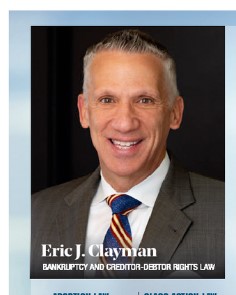
Eric Clayman
Clayman Law LLC
Clayman Law LLC blends a warm, caring and personal approach with extensive experience in filing Chapter 7 and Chapter 13 Bankruptcy petitions throughout New Jersey in order to provide our clients with top notch legal services.

Gary Ray Fraley
Gary Ray Fraley
Gary Ray Fraley. in Sacramento, CA. specializing in Bankruptcy & Debt, Chapter 7 Bankruptcy, Chapter 13 Bankruptcy. with 47 years of experience.
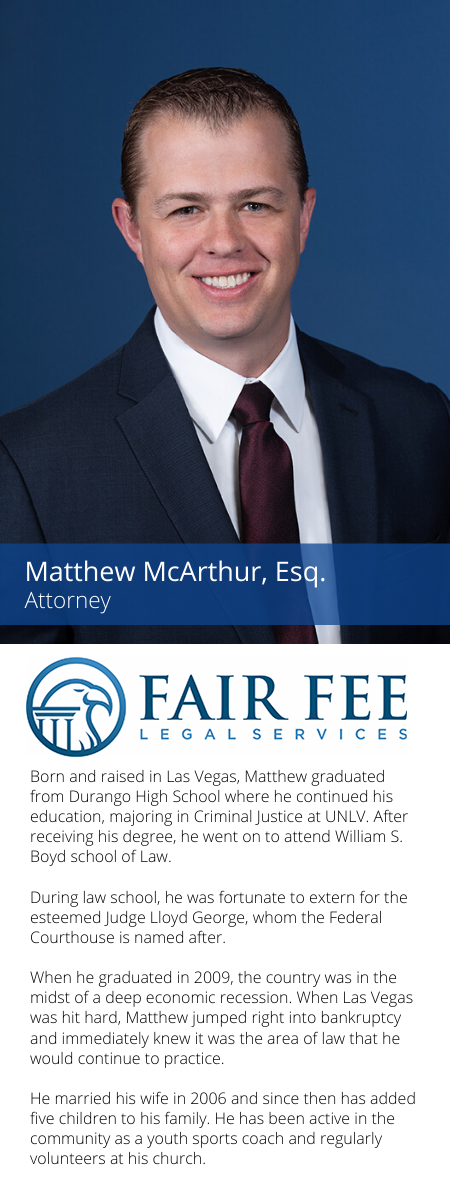
Aaron D. Macdonald
Law Office of Aaron D. Macdonald
Primary practice area: Chapter 7 Bankruptcy. Avvo Rating: 8.0/10 (Excellent). 13 years of experience. Bar admissions: Nevada (2012).

Adam C. Gomerman
Law Office of Adam C. Gomerman
Primary practice area: Bankruptcy & Debt. Avvo Rating: 10.0/10 (Superb). 34 years of experience. Bar admissions: New York (1991). Awards: Super Lawyer - 2022, Client Champion Silver - 2020, Rising Star - 2020.
Alan Jeffrey Fisher
Law Office of Alan Jeffrey Fisher
Primary practice area: Bankruptcy & Debt. Avvo Rating: 7.1/10 (Very Good). 37 years of experience. Bar admissions: Florida (1995).

Alejandro Rafael Lopez
Law Office of Alejandro Rafael Lopez
Primary practice area: Chapter 7 Bankruptcy. Avvo Rating: 8.0/10 (Excellent). 36 years of experience. Bar admissions: Florida (1989). Awards: Certificate of Appreciation.

Alexis Marie Wert
Law Office of Alexis Marie Wert
Primary practice area: Chapter 7 Bankruptcy. Avvo Rating: 7.6/10 (Very Good). 20 years of experience. Bar admissions: Florida (2005).

Alfred Patrick Boland
Law Office of Alfred Patrick Boland
Primary practice area: Chapter 7 Bankruptcy. Avvo Rating: 6.6/10 (Good). 35 years of experience. Bar admissions: Dist. of Columbia (2006).

Alicia Michelle Sandoval
Law Office of Alicia Michelle Sandoval
Primary practice area: Chapter 7 Bankruptcy. Avvo Rating: 6.4/10 (Good). 14 years of experience. Bar admissions: New Jersey (2011), Pennsylvania (2011).

Alison Nicole Emery
Law Office of Alison Nicole Emery
Primary practice area: Chapter 7 Bankruptcy. Avvo Rating: 9.3/10 (Superb). 23 years of experience. Bar admissions: Florida (2003).
Foreclosure Defense Attorneys by State
Browse Foreclosure Defense attorneys in every state. Click a state to see local attorneys and city-level listings.