Missouri Bankruptcy Attorneys
Find qualified bankruptcy attorneys in Missouri. 11,421 bankruptcy cases filed in FY2024. Compare Chapter 7 and Chapter 13 lawyers near you.
Top Bankruptcy Attorneys in Missouri
1407 listed
Law Office of Noel Magee Attorney
The Law Office of Noel Magee Attorney is a bankruptcy law firm located in Columbia, Missouri. The firm focuses exclusively on bankruptcy law, assisting individuals and businesses navigate complex financial challenges. Law Office of Noel Magee Attorney is dedicated to helping clients achieve financial relief and a fresh start through effective legal strategies.
Jonathan Noble Edel
Jonathan Noble Edel has handled 1 federal bankruptcy case in federal court.

Jonathan N. Edel
Jonathan N. Edel has handled 1 federal bankruptcy case in federal court.
Camber Jones
Camber Jones has handled 1 federal bankruptcy case in federal court.

Tanner B. France
Tanner B. France has handled 1 federal bankruptcy case in federal court.
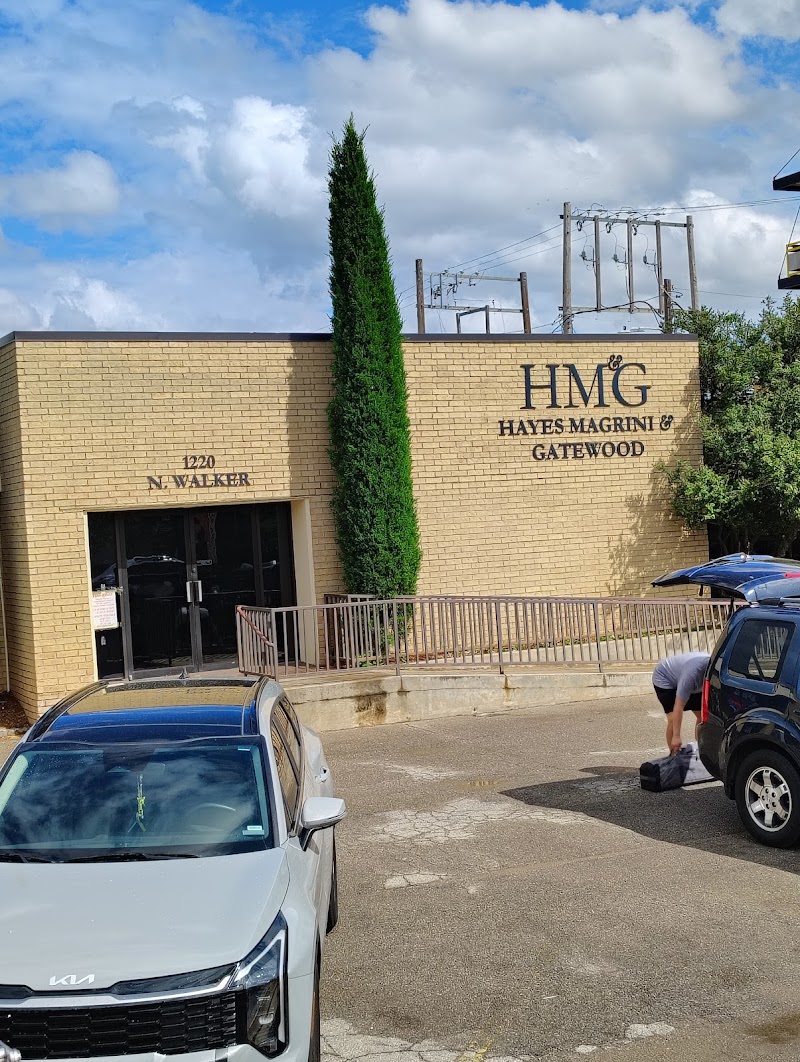
Robert L. Magrini
Robert L. Magrini has handled 1 federal bankruptcy case in federal court.
Christopher Ryan Thornton
Christopher Ryan Thornton has handled 1 federal bankruptcy case in federal court.
Elizabeth S Lynch
Elizabeth S Lynch has handled 1 federal bankruptcy case in federal court.

Matthew L Tillma
Matthew L Tillma has handled 1 federal bankruptcy case in federal court.

Cherry Reed
Cherry Reed has handled 1 federal bankruptcy case in federal court.
Todd Turoci
509
John V. LaBarge, Jr
A & L, Licker Law Firm
Missouri Bankruptcy Filing Statistics
Filings by Chapter Type (2024)
Source: Administrative Office of the U.S. Courts, 12-month period ending December 2024. uscourts.gov
Browse Missouri by City
73 citiesShow all 73 cities in Missouri
Federal Bankruptcy Courts in Missouri
Source: U.S. Courts — uscourts.gov
Bankruptcy Law in Missouri: What You Need to Know
Overview of Bankruptcy in Missouri
Bankruptcy is a federal process that provides a legal path for individuals and businesses in Missouri to address overwhelming debt. Recent filing data for the state shows 10,000 total bankruptcy filings, including 6,875 Chapter 7 filings, 4,342 Chapter 13 filings, and 189 Chapter 11 filings. Filings per 100,000 residents in Missouri are reported at 184.3, which reflects the volume of people and businesses seeking formal debt relief.
People file for bankruptcy for many reasons: sudden medical bills, job loss or reduced income, mounting credit card or consumer debt, foreclosure risk, and business failures. Missouri’s economic profile — median household income of $68,545, median home value of $210,000, homeownership rate of 67.2%, and a poverty rate of 12.7% — shapes the common types of filings in the state.
- Who files: wage earners, homeowners facing foreclosure, small business owners, and families with medical or education-related debt.
- Most common chapters: Individuals primarily use Chapter 7 (liquidation) or Chapter 13 (repayment plan); businesses may file Chapter 11 for reorganization (Chapter 11).
- Where to get help: local bankruptcy attorneys, credit counseling agencies, and federal court self-help resources.
Chapter 7 Bankruptcy in Missouri
Chapter 7 is designed to eliminate unsecured debts and give a fresh start to qualifying individuals. In Missouri, a majority of consumer filings are Chapter 7; the state reported 6,875 Chapter 7 filings in the referenced period.
Means Test and Income Eligibility
Chapter 7 eligibility depends on a means test that compares your household income and certain allowable expenses against federal standards. In practical terms:
- If your household income is below the applicable state median, you are likely to qualify without completing a complicated calculation.
- If your income is above the median, you must complete the means test form to determine whether you have sufficient disposable income to fund a repayment plan instead of liquidation.
- Work with an attorney or a qualified bankruptcy petition preparer to complete the calculation accurately.
Typical Chapter 7 Process
Chapter 7 in Missouri generally follows these steps:
- Complete required pre-filing credit counseling from an approved agency.
- File the petition and schedules with the U.S. Bankruptcy Court (Eastern or Western District as appropriate).
- Attend the 341 meeting of creditors, where the trustee asks questions under oath.
- Turn over nonexempt assets, if any, to the trustee for liquidation, and receive discharge of eligible debts (if no objections are filed).
Many filers keep their property by claiming Missouri exemptions (see the exemptions section below).
For a more general comparison of Chapters 7 and 13, see Chapter 7 vs. Chapter 13.
Chapter 13 Bankruptcy in Missouri
Chapter 13 allows individuals with regular income to reorganize debts into a court-approved repayment plan, usually lasting three to five years. Missouri had 4,342 Chapter 13 filings in the same reporting period.
Repayment Plans Explained
A Chapter 13 plan sets monthly payments to a trustee who distributes funds to creditors according to priorities set by the Bankruptcy Code. Key points:
- Plans are based on disposable income and can include secured debt arrearages (for example, catching up on missed mortgage payments).
- The length of most plans is three to five years based on income and applicable law.
- Successful completion can discharge certain unsecured debts not paid through the plan.
Eligibility and Advantages
To file Chapter 13 you must have regular income and your unsecured and secured debts must fall under statutory limits. Chapter 13 is commonly used to:
- Stop foreclosure and reinstate mortgage arrears through a plan.
- Restructure car loans or prevent repossession when you have viable income to pay under a plan.
- Catch up on tax obligations and certain nondischargeable debts in a structured way.
Learn more about filing procedures and whether Chapter 13 is right for you by visiting How to File Bankruptcy.
Missouri Bankruptcy Exemptions
Exemptions determine what property you can keep when you file for bankruptcy. Missouri allows debtors to choose between the state exemption scheme and federal exemptions in certain circumstances. Key Missouri exemptions include those for homestead, personal property, vehicles, and a wildcard exemption that can be used for miscellaneous items.
Common Missouri Exemptions
- Homestead exemption: Protects equity in your home up to the limits set by Missouri law. This exemption can be critical for homeowners facing foreclosure or who may have equity in property.
- Vehicle exemption: Missouri provides an exemption for a portion of a vehicle's equity, allowing many filers to keep a car that they rely on for work.
- Personal property: Exemptions typically protect household goods, clothing, tools of the trade, retirement accounts, and public benefits.
- Wildcard exemption: A limited amount of value that can be applied to any property not otherwise exempted.
Choosing the right exemptions requires a careful review of your assets, debts, and goals. For a deeper look at exemptions and how they apply, read our Bankruptcy Exemptions Guide.
How to File Bankruptcy in Missouri
Filing bankruptcy involves paperwork, court procedures, and deadlines. Below is a practical step-by-step outline to help you prepare.
- Step 1 — Credit Counseling: Complete a credit counseling course from an approved agency within 180 days before filing.
- Step 2 — Gather Documents: Collect pay stubs, tax returns, bank statements, a list of assets and debts, vehicle titles, and mortgage information.
- Step 3 — Choose a Chapter: Decide whether Chapter 7, Chapter 13, or Chapter 11 fits your situation. Consult an attorney if you are unsure.
- Step 4 — File the Petition: Prepare and file the petition and schedules in the appropriate U.S. Bankruptcy Court (Eastern or Western District of Missouri). Filing triggers the automatic stay.
- Step 5 — Trustee Meeting: Attend the 341 meeting of creditors, answer questions under oath, and cooperate with the trustee.
- Step 6 — Complete Requirements: For Chapter 13, make plan payments. For Chapter 7, complete debtor education courses and follow trustee instructions.
- Step 7 — Discharge/Closure: If all conditions are met and no successful objections are filed, the court enters a discharge or closes the case after plan completion.
Practical tips for filing in Missouri:
- File in the district where you have lived for the required period (typically 180 days) before filing.
- Keep copies of all filed documents and proof of service.
- Be honest and thorough: intentional omissions can lead to denial of discharge or later legal trouble.
Bankruptcy Courts in Missouri
Missouri bankruptcy cases are handled by the U.S. Bankruptcy Courts for the Eastern and Western Districts of Missouri. These courts have clerk’s offices and divisional courthouses in several major cities across the state. Common court locations include St. Louis, Kansas City, Springfield, Joplin, Cape Girardeau, and Jefferson City. Always verify the correct courthouse and clerk’s office for your filing before submitting documents.
Which court to file in depends on where you live (your residence or principal place of business). The clerk’s office can provide local filing rules, fee schedules, and forms. If you choose to work with an attorney, they will handle the mechanics of selecting the correct court and submitting the documents.
Cost of Filing Bankruptcy in Missouri
Bankruptcy costs fall into several categories. While exact dollar amounts for court fees, attorney fees, and counseling vary, understanding the components can help you budget and avoid surprises.
- Court filing fees: There is a filing fee required to submit a bankruptcy petition. Courts sometimes offer the option to pay in installments or request a fee waiver if you qualify based on income. Check the clerk’s office or the court website for the current fee schedule.
- Attorney fees: Attorneys typically charge a flat fee for consumer bankruptcy cases or an hourly rate depending on complexity. Ask potential attorneys about what is included (filing, plan preparation, court appearances, adversary proceedings) and whether payment plans are available.
- Credit counseling and debtor education: These are required and are usually provided for a modest fee; many providers offer sliding-scale costs or free options for low-income filers.
- Miscellaneous costs: Document retrieval, certified copies, and fees for additional filings (e.g., adversary complaints) can add to the total cost.
Before you file, get a clear written estimate from your attorney that outlines all expected costs and whether those costs are refundable if you decide not to proceed.
Life After Bankruptcy in Missouri
A bankruptcy discharge provides legal relief from qualifying debts, but rebuilding financial health takes planning and time. Here is what to expect and steps to recover:
- Timeline: A Chapter 7 discharge typically occurs a few months after filing if there are no complications; Chapter 13 discharges occur after completion of the repayment plan (commonly three–five years).
- Credit impact: Bankruptcy will appear on your credit reports for several years, but responsible financial habits after discharge can help you rebuild credit.
- Restrictions and rights: Some debts (child support, certain taxes) are not dischargeable; bankruptcy does not relieve all obligations. You regain protection from collection actions covered by the discharge.
Practical steps to rebuild:
- Create a realistic post-bankruptcy budget and emergency fund.
- Use secured credit cards or credit-builder loans responsibly to re-establish payment history.
- Monitor credit reports and dispute inaccuracies promptly.
Alternatives to Bankruptcy
Bankruptcy is not the only option for dealing with debt. Consumers in Missouri can explore alternatives that may better fit their goals.
- Debt consolidation: Combining multiple debts into a single loan may lower monthly payments but requires qualifying for a consolidation loan and a plan to avoid re-accumulating debt.
- Negotiation and settlement: You can negotiate directly with creditors to reduce balances or arrange affordable payment plans.
- Credit counseling: Nonprofit credit counseling agencies can help you create a budget, offer education, and sometimes enroll you in a debt management plan.
- Loan modifications: Homeowners facing foreclosure may be eligible for mortgage loan modification or loss mitigation options.
Consider meeting with a nonprofit credit counselor or an experienced bankruptcy attorney to compare alternatives and their long-term implications before deciding.
Finding a Bankruptcy Attorney in Missouri
Choosing the right attorney can make a significant difference in the outcome of your case. Missouri has a robust community of bankruptcy practitioners — the directory lists 1,187 bankruptcy attorneys available to assist debtors across the state.
What to look for when selecting counsel:
- Specialization in bankruptcy law and regular appearances in the Missouri federal bankruptcy courts.
- Clear fee structure and willingness to provide a written engagement agreement.
- Knowledge of Missouri exemptions and local court procedures in your district.
- Comfortable communication style and accessibility for questions during the case.
Many attorneys offer free or low-cost initial consultations. Bring your income documents, list of debts, and any foreclosure or collection notices to your consultation. To find local counsel, consider searching by city — for example: Kansas City, Springfield, Lee's Summit, Independence, Saint Louis, Saint Charles, Saint Peters, Jefferson City, Joplin, and Columbia.
Frequently Asked Questions about Missouri Bankruptcy
Below are common questions people ask when considering bankruptcy in Missouri.
- Q: Will filing bankruptcy stop foreclosure in Missouri?
A: Filing a bankruptcy petition triggers the federal automatic stay, which temporarily halts foreclosure and most collection actions. Chapter 13 is often used to cure mortgage arrears through a repayment plan; in Chapter 7, the automatic stay may give time to negotiate, but if the lender has a valid lien and bankruptcy protection is not extended, foreclosure may resume after a short period. - Q: Can I keep my house if I file bankruptcy?
A: It depends on the amount of equity, the exemptions you claim, and whether you can bring mortgage payments current. Many Missouri homeowners retain their homes by using state exemptions or filing Chapter 13 to catch up on arrears. - Q: How long does a bankruptcy stay on my credit report?
A: A bankruptcy filing will remain on credit reports for multiple years, but the exact duration is determined by the type of bankruptcy and credit reporting rules. Rebuilding credit after discharge is possible through timely payments and responsible use of credit. - Q: What debts are not dischargeable in Missouri bankruptcy?
A: Certain obligations — such as most child support and alimony, recent tax liabilities, certain student loans, and debts resulting from fraud — are generally not dischargeable. Consult counsel for specifics about your debts. - Q: Do I need an attorney to file bankruptcy in Missouri?
A: You have the right to represent yourself, but bankruptcy law is complex. An experienced Missouri bankruptcy attorney can help ensure accurate forms, claim appropriate exemptions, meet deadlines, and represent you at hearings.
If you are ready to learn more about your options, consult a qualified local bankruptcy attorney or contact a nonprofit credit counselor for an initial assessment. For practical step-by-step guidance, visit How to File Bankruptcy and for in-depth comparison of options see Chapter 7 vs. Chapter 13.
Local Resources and Next Steps
Wherever you are in Missouri, you are not alone in confronting debt. Start with these practical actions:
- Collect your financial documents: pay stubs, tax returns, and account statements.
- Complete a credit counseling session from an approved provider.
- Schedule a consultation with a bankruptcy attorney familiar with the local federal bankruptcy court in your district.
Whether you live in Kansas City, Springfield, Lee's Summit, Independence, Saint Louis, Saint Charles, Saint Peters, Jefferson City, Joplin, or Columbia, local attorneys and nonprofit counselors can guide you through the process and help determine whether bankruptcy or an alternative is the best path forward.
For additional reading on exemptions, procedural steps, and rebuilding after bankruptcy, see our resources: Bankruptcy Exemptions Guide, How to File Bankruptcy, and Chapter 7 vs. Chapter 13.
Bankruptcy FAQ for Missouri
Common questions about filing for bankruptcy in Missouri, including costs, eligibility, exemptions, and timelines.
Need a Bankruptcy Attorney?
Get connected with a qualified bankruptcy attorney in Missouri today. Free consultations available.
Types of Bankruptcy
Missouri Bankruptcy Guides
Free 2-Minute Quiz
Not sure which debt relief option fits your situation?
- 8 quick questions
- Personalized action plan
- Matched attorneys near you
100% free · No account needed
Economic Context
Below AvgMissouri has a relatively low unemployment rate.
Household Financial Profile · ACS 2023
$69k
Median household income
$61k
Per capita income
$210k
Median home value
67.2%
Homeownership rate
12.7%
Poverty rate
67%
of filers chose Ch. 7
Means test note: The Chapter 7 means test compares your income to Missouri's median household income of $69k. If your household income is below this threshold, you likely qualify for Chapter 7 without further calculation.